The FeiThink Library · Standalone
Desire and Vitality
3 min
Machine translation from the Chinese original, not reviewed by the author.
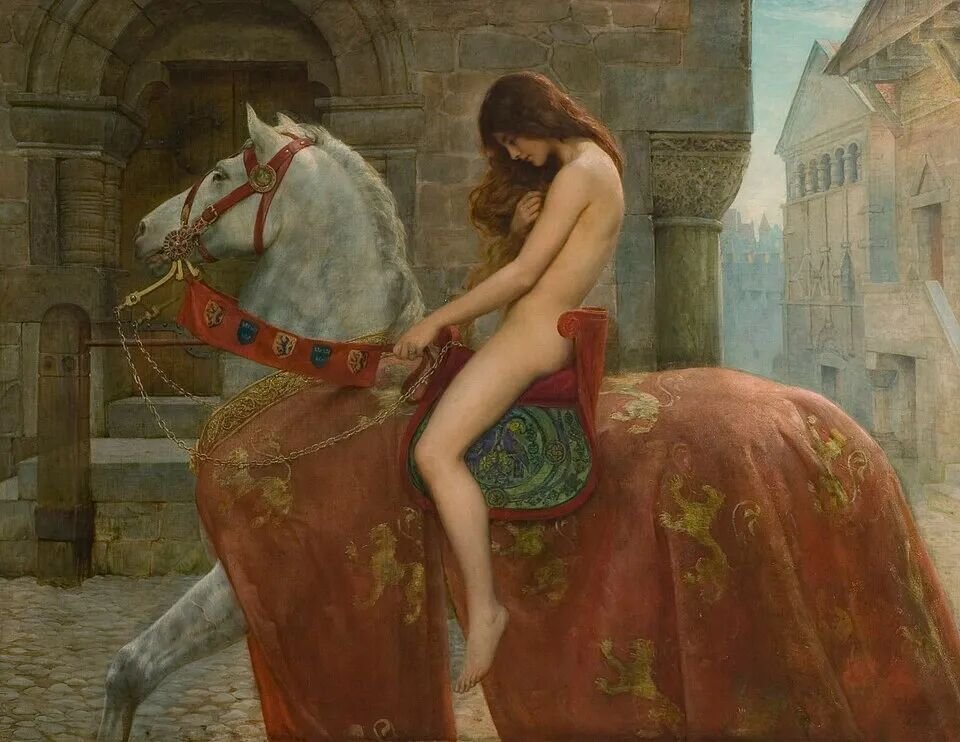
A couple of days ago I scrolled past a short video on Twitter that said sexual desire is your vitality.
I found it vulgar, but I had no way to refute it. My experience of life seemed to confirm it.
Looking back, the times when my vitality was strongest were the times when my sexual desire was strongest.
But from around thirty, I grew tired of all of it.
Back then I felt that men were like dogs, always driven by physiological desire, and this humiliated me.
The saying goes, without desire you are unyielding. If you have no desires, you need not bow to anyone, need not kneel before a skirt, need not prostrate yourself before the vagina.
But physiological desire was abundant and irrepressible, forcing me to bow.
From then on I began to long to transcend all of it, to become completely my own master.
I cannot say this was entirely a detour.
Only that as I suppressed desire, my enthusiasm for work and life declined along with it.
You think you are merely leaving behind a low taste.
But as you suppress base desires, many things dim along with them:
enthusiasm for work, the impulse to create, competitiveness, the sense of adventure, even enthusiasm for life itself.
This is using vitality to strangle vitality.
The longing to use the will to master this Karamazovian force inside my body, this life force that admits no logic or reason.
But is this the right path?
I cannot say that the path I have walked these past years has brought me nothing.
I have indeed gone far on the spiritual path, at least compared with before.
For example, when I now look back at the intellectual writing I did a few years ago, I can barely read it through while holding my nose.
Rather, it is the emotional outpourings, that Karamazov life force, that cross time and space and still resonate.
It is hard to imagine: if someone had enough sex, who would still have the leisure to study philosophy. (No, mainly because back then there really were intellectual problems I had not solved.)
So what exactly is the difference between a man and a dog?
If a dog that follows a scent and goes after a bone is a kind of slave, then what is so superior about being a maverick dog that desperately flees the bone? When all is said and done, isn’t it still circling the bone?
What if the dog stops taking the bone seriously?
It no longer resists being a dog, no longer resists having to eat bones.
After eating the bone, it still has the leisure to look up at the drifting clouds.
One day, struck by an apple, it uses the surplus life energy to work out universal gravitation.
Would that not make it a dog truly raised above low taste?
The point is:
Abstinence, sacrifice, the pursuit of transcendence are all subtraction.
The purpose of these things is to keep us from being confined by external stimuli, so that we do not lose our way and forget higher pursuits.
But all those unique, irreplaceable things are achieved through addition.
More energy, more output, higher intensity.
Using one’s whole vitality as raw material to forge those truly unique things, the marks of true existence.
In the past I regarded spirit as higher than everything, and treated matter and desire with contempt and suppression.
But the body and desire are neither master nor enemy.
Body and soul are an inseparable whole.
Let a wild horse go untamed, and of course it will get nowhere.
But geld a fine horse in order to control it completely, and it too will never get far.
True mastery is the tacit understanding between rider and fine horse, not man’s one-sided conquest of the horse.
The FeiThink Library · Standalone
Next: On a C9 Alumni GatheringIf this stayed with you, write to me
The FeiThink Library
First published 2026.05.17
 Fei Huang · Writes from Amsterdam on Kant, Dostoevsky, and the moral life.